Maine Joins Indiana as Second State to Prohibit Online Sweepstakes Casinos in 2026

(AsiaGameHub) -   Maine follows Indiana as the second state this year to prohibit online sweepstakes casinos, a move finalized when Gov. Janet Mills signed LD 2007 into law on April 6. Following the governor's approval, the legislation has been enacted as Chapter 645 of Maine public law. It bans the promotion and operation of online sweepstakes games that employ a dual-currency system to mimic casino-style offerings, including slots, poker, bingo, lottery games, and sports betting. Regulators in Maine now possess enhanced enforcement mechanisms to target these digital platforms, reflecting growing national momentum against sweepstakes casinos. The legislation, titled “An Act Regarding the Prohibition of Online Sweepstakes Games,” focuses on the dual-currency framework utilized by many social casinos. These platforms allow users to purchase “gold coins” for entertainment purposes while granting “sweeps coins” that can be exchanged for cash rewards. This activity is now classified as a civil infraction and is also prosecutable as illegal gambling within the state. Pursuant to the statute, violators are subject to civil penalties ranging from $10,000 to $100,000. Additionally, licensed gambling operators found in breach of the law face the potential revocation of their licenses and disqualification from future licensure. The state legislature approved the bill on April 2, and the governor enacted it several days afterward. The Scope of Maine’s New Legislation Under the new law, an “online sweepstakes game” is defined as any internet-based contest, game, or promotion accessible via computer, phone, or similar device that utilizes a “dual-currency system of payment” and simulates casino-style gaming. The statute explains that the dual-currency system employed by sweepstakes casinos is structured to prevent the direct purchase of redeemable tokens. Instead, it incentivizes the purchase of separate products or currency that provide a chance to win cash or cash equivalents. The law stipulates that “a person that operates or promotes an online sweepstakes game or supports the operation or promotion of an online sweepstakes game commits a civil violation.” It further clarifies that such behavior amounts to unlawful gambling. Fines collected under this legislation will be directed specifically to the state’s Gambling Addiction Prevention and Treatment Fund. Indiana Enacted a Comparable Ban, Yet the Regulation Debate Persists Maine’s legislation makes it the second state this year to implement a sweepstakes prohibition, following Indiana’s enactment of its own ban via HB 1052, which was signed by Gov. Mike Braun on March 12. Indiana’s legislation similarly targeted dual-currency sweepstakes platforms that mimic casino-style games and established penalties of up to $100,000. Although the language and structure of the two laws indicate a shared approach to suppressing sweepstakes casinos, Maine’s legislation is more specific in connecting violations to unlawful gambling and the revocation of licenses. Nevertheless, some argue that prohibiting sweepstakes casinos may not be the most effective strategy for state oversight and consumer protection.Speaking with CasinoBeats in February, ARB Interactive CEO Patrick Fechtmeyer contended that states should instead regulate and tax the industry, cautioning that bans could simply drive players toward offshore platforms that are out of reach of state regulators. He remarked: “It’s not really a question of, ‘We ban this industry, and it’s going to go away.’ It’s, ‘Where does that money shift to? How do you capture that?’” Fechtmeyer further warned of the risk of players moving to offshore sites, stating: “The main risk is that offshore operators won’t stop. You’ll have no ability to capture any tax revenue. More importantly, you’ll have no consumer protection.” With both Indiana and Maine having enacted these laws in 2026, this debate is expected to persist as additional states determine whether to outlaw sweepstakes casinos entirely or establish a regulatory framework for them. This article is provided by a third-party. AsiaGameHub (https://asiagamehub.com/) makes no warranties regarding its content. AsiaGameHub delivers targeted distribution for iGaming, Casino, and eSports, connecting 3,000+ premium Asian media outlets and 80,000+ specialized influencers across ASEAN.

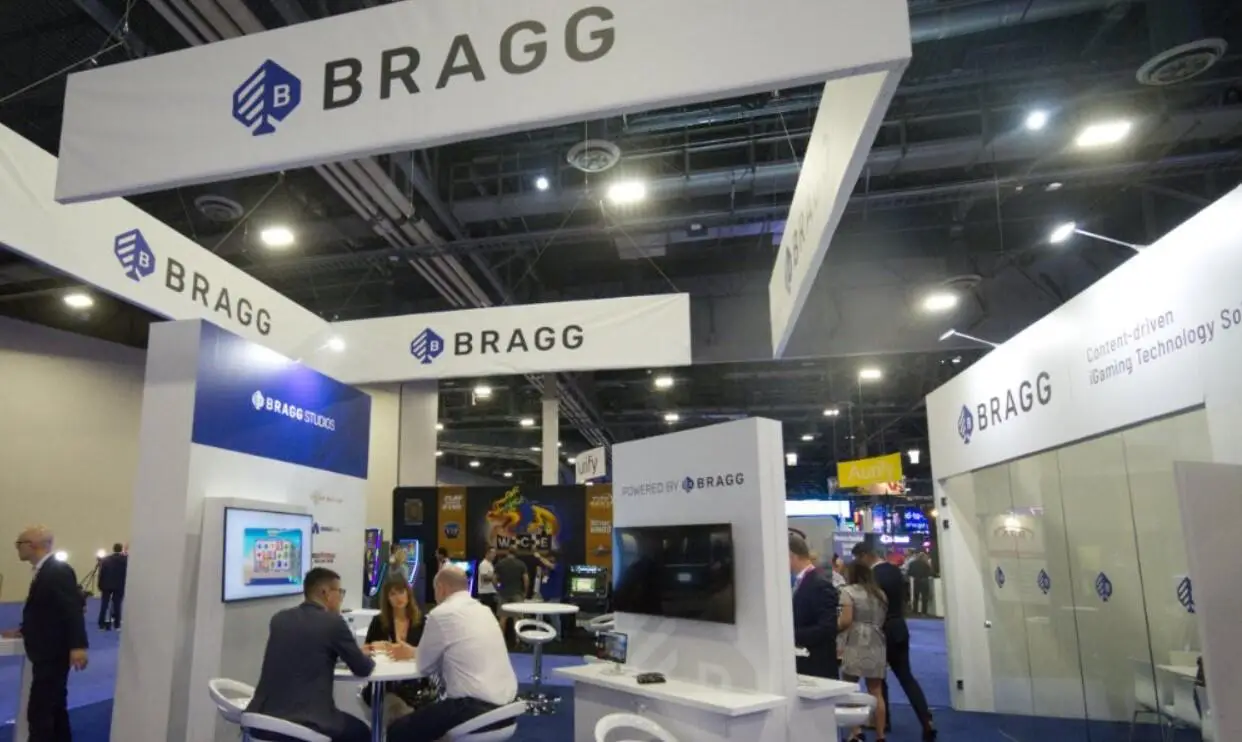
Optimove Acquires Smartico in iGaming CRM Transaction

(AsiaGameHub) -   Optimove has entered into an agreement to acquire Smartico, with the deal structured to allow both companies to operate independently. Their respective brands, teams, product roadmaps, and day-to-day operational control will remain separate, and the Smartico founding team will retain full authority over the company’s strategy and daily operations. The transaction was announced on April 6 and is expected to close in the coming weeks, with no financial terms disclosed. Good to Know The founding team of Smartico — Arman Gal, Anton Antropov, Sergey Kobitskiy, and Yuval Mechoullam — will continue to lead the company. Smartico’s product suite encompasses CRM automation tools, gamification features, bonus utilities, AI models, jackpot systems, free-to-play mini-games, and raffle platforms. This acquisition marks Optimove’s fourth, following its purchases of DynamicMail, Axonite, and Adact. Optimove Maintains Smartico’s Independence in New CRM Acquisition Instead of folding Smartico into its existing product stack, Optimove is supporting a dual-brand framework. This choice is significant because both companies compete in the same iGaming CRM market: Optimove focuses on data-driven CRM and AI-powered decisioning tools, while Smartico has built its brand around CRM solutions directly integrated with gamification. Optimove has confirmed that both platforms will continue to compete in the marketplace. The timing of the deal is not arbitrary. Optimove cited that the global online gambling market was valued at $95.3 billion in 2024, with industry forecasts projecting a value of $185.17 billion by 2033, even as operators face increasingly regulated markets and heightened compliance pressures across regions. Smartico is the newer of the two companies. Founded in Bulgaria, its leadership team consists of Arman Gal, Anton Antropov, Sergey Kobitskiy, and Yuval Mechoullam. Its platform combines CRM automation with missions, badges, tournaments, jackpots, free-to-play mini-games, bonus tools, raffles, and AI models all within a single unified platform.Optimove is the more established business. Co-founded by Pini Yakuel in 2012, the company announced in 2021 that it had been bootstrapped for its first five years before securing a $75 million investment round led by Summit Partners. Summit also shared that Optimove has offices in Tel Aviv, New York, and London, and has maintained healthy profit margins while scaling its operations. The Smartico acquisition also aligns with Optimove’s long-term acquisition strategy. After prior deals for DynamicMail and Axonite, Optimove purchased gamification firm Adact in March 2025, meaning this latest purchase strengthens its strategy that has leaned into both mergers and acquisitions and organic product expansion. This article is provided by a third-party. AsiaGameHub (https://asiagamehub.com/) makes no warranties regarding its content. AsiaGameHub delivers targeted distribution for iGaming, Casino, and eSports, connecting 3,000+ premium Asian media outlets and 80,000+ specialized influencers across ASEAN.

Ripple Observes Africa’s Crypto Regulations Taking Form

(AsiaGameHub) -   Ripple noted that Africa’s digital asset policy is no longer a single unified narrative. It is evolving into a patchwork of national regulatory frameworks, each advancing at its own unique pace, with South Africa, Kenya, Mauritius, and Nigeria leading the majority of current regulatory efforts. Good to Know Ripple reports that roughly eight African nations currently have some form of crypto-specific regulation, with additional countries still developing formal regulatory frameworks. Chainalysis shared that Sub-Saharan Africa received over $205 billion in on-chain transaction value between July 2024 and June 2025, marking a roughly 52% year-over-year increase. Ripple ties this heightened demand to remittances, cross-border trade, mobile-first financial services, and rising stablecoin adoption. Africa’s Crypto Regulations Continue to Take Form This analysis begins with adoption usage rather than regulatory policy. Chainalysis found that Sub-Saharan Africa was the third-fastest-growing crypto region in its 2025 regional study, supported by retail activity, trade flows, and widespread use of digital assets in areas where banking access and cross-border payment options remain limited. Ripple uses this context to argue that clearer regulations are now becoming a key part of the next phase of market expansion. South Africa remains the most prominent example of a mature regulatory framework. Ripple noted that crypto assets are classified as financial products there, and service providers must register and operate under the oversight of the FSCA and FIC. Kenya is at a later stage of development but still making progress, with a legal framework for virtual asset service providers now enacted and still being refined through public consultation. Mauritius has expanded its licensing requirements and added guidance for stablecoins, while Nigeria has integrated digital assets into its securities regulatory framework and relaxed prior banking restrictions on licensed service providers. Beyond that leading group, the regulatory landscape becomes more inconsistent. Ripple shared that Ghana has implemented initial registration requirements, while Botswana, Namibia, and Seychelles are either drafting or implementing crypto-specific regulations. Ethiopia, Morocco, Rwanda, Tanzania, and Uganda are still in earlier review phases, evaluating how digital asset policy can align with local financial priorities. What makes this region so compelling isn’t just its adoption scale, but the types of usage seen. Chainalysis reported that the share of transactions under $10,000 is higher in Sub-Saharan Africa than anywhere else globally, indicating strong retail engagement. The firm also identified frequent high-value stablecoin transfers linked to trade and commercial payments, particularly in corridors connecting Africa, the Middle East, and Asia. Ripple also highlighted mobile money as a key component of this ecosystem. The firm noted that a region already familiar with digital-first payments has a more natural transition to digital assets, particularly for remittances, settlement, treasury management, and access to stable foreign currency alternatives. Ripple summarized the wider argument in a single statement: “Africa remains one of the world’s most compelling regions for digital asset adoption and growth.” This article is provided by a third-party. AsiaGameHub (https://asiagamehub.com/) makes no warranties regarding its content. AsiaGameHub delivers targeted distribution for iGaming, Casino, and eSports, connecting 3,000+ premium Asian media outlets and 80,000+ specialized influencers across ASEAN.

Apple’s Foldable iPhone Still Rumored for September Release

(AsiaGameHub) -   Apple’s foldable iPhone still appears on track for a September debut, even after a Nikkei Asia report raised fresh delay worries during the device’s engineering test phase. Bloomberg noted Apple is still aiming to launch the phone around the iPhone 18 Pro and Pro Max launch window, though the schedule is not final. Good to Know Nikkei Asia, as cited by Reuters, stated that engineering issues could slow mass production and shipment timelines. Bloomberg reported that Apple still plans to release the foldable model in September, with retail stores possibly receiving the device around the same time as or shortly after the iPhone 8 Pro lineup. Initial supply may be limited, as the device is more complex to manufacture than a standard iPhone. Apple Foldable Launch Plans Remain On Track The first warning came from Nikkei Asia. Per Reuters, Apple has run into engineering snags during testing, and these issues could delay mass production or initial shipments if they take longer to fix than expected. Bloomberg pushed back on that assessment just hours later. Mark Gurman reported that Apple is still on course for a September unveiling, with the foldable model expected to launch alongside the iPhone 18 Pro and Pro Max or shortly after. Even so, both Bloomberg and TechCrunch noted that the launch is still months away, so the timing could still shift. Apple’s primary focus isn’t just the folding design itself, but the weak points that have held the foldable category back. Bloomberg reported that Apple believes it has improved screen quality and overall durability, and also made the display crease less visible when the phone is opened. This could carry more weight than the foldable label alone. Samsung and several Chinese phone makers have sold foldables for years, so Apple is entering the market late. A smoother screen and better durability would give Apple a clear path to stand out if the device launches in September. This article is provided by a third-party. AsiaGameHub (https://asiagamehub.com/) makes no warranties regarding its content. AsiaGameHub delivers targeted distribution for iGaming, Casino, and eSports, connecting 3,000+ premium Asian media outlets and 80,000+ specialized influencers across ASEAN.

Macau Welcomes 665,918 Visitors During Easter and Ching Ming Holiday Period

(AsiaGameHub) -   Macau received 172,057 visitors on April 5, the Ching Ming Festival—also known as Tomb Sweeping Day, a holiday based on the lunar calendar. This day was a public holiday in Macau, mainland China, and Hong Kong. Macau’s Visitor Numbers Get a Boost From Holidays Between April 3 and April 7, the total number of arrivals hit 665,918, averaging 133,184 visitors per day. Authorities did not release year-over-year comparison data. The combination of holidays contributed to this trend. Mainland China observed the Ching Ming break from April 4 to April 6. Easter Friday is a public holiday in both Macau and Hong Kong, while Easter Monday is only a holiday in Hong Kong. Easter is not a holiday period on the mainland. This article is provided by a third-party. AsiaGameHub (https://asiagamehub.com/) makes no warranties regarding its content. AsiaGameHub delivers targeted distribution for iGaming, Casino, and eSports, connecting 3,000+ premium Asian media outlets and 80,000+ specialized influencers across ASEAN.

Paysafe Launches Crypto Deposit Options for U.S. Gaming Brands

(AsiaGameHub) -   Paysafe is introducing cryptocurrency deposits for U.S. iGaming and daily fantasy sports operators via a new payment option powered by MoonPay. This product, named Pay with Crypto, allows players to utilize USDC, other stablecoins, or major cryptocurrencies, with their deposits automatically converted into U.S. dollars for gameplay where permitted. The process is designed for ease of use. Players can link a crypto wallet or scan a QR code to send funds, with the money appearing in their account without requiring a separate crypto-to-cash conversion step on their part. Paysafe stated that this new functionality is integrated into its Gateway, which already accommodates a range of payment methods including cards, digital wallets, eCash, Pay by Bank, and over 30 regional payment options. The introduction of this feature is driven by market demand. Paysafe reported that approximately 70.4 million American adults own cryptocurrency, and its own research indicated that 83% of U.S. players are interested in using crypto for payments. Operators also have flexibility in how they receive settlements. Utilizing MoonPay's infrastructure, they can choose to settle in stablecoins or fiat currencies. Paysafe announced the launch of this new service on April 7. This article is provided by a third-party. AsiaGameHub (https://asiagamehub.com/) makes no warranties regarding its content. AsiaGameHub delivers targeted distribution for iGaming, Casino, and eSports, connecting 3,000+ premium Asian media outlets and 80,000+ specialized influencers across ASEAN.

Uganda Proposes 30% Tax on Betting Revenue and 15% Levy on Gambling Winnings

(AsiaGameHub) -   Uganda's gambling sector is expanding rapidly, prompting lawmakers to seek a larger portion of the revenue. Interactive gross win figures reached $438.3 million in 2025 and are projected to rise to $995.5 million by 2029, based on H2 Gambling Capital data. Sport betting was the primary driver, generating $328 million in gross win for 2025, while offshore platforms accounted for $114.8 million, representing over 26% of the interactive total. Good to Know Uganda seeks to tax betting at 30% GGR, increasing from the current 20%. A separate bill proposes adding a 15% withholding tax on net winnings from betting and gaming. If both bills are passed, the changes would take effect on 1 July 2026. Uganda Introduces Heavier Gambling Tax Measures In light of this, two new legislative proposals target both operators and bettors. The Lotteries and Gaming (Amendment) Bill, 2026 aims to raise the betting tax rate to 30% GGR, aligning it with the iGaming sector. Simultaneously, the Income Tax (Amendment) Bill, 2026 seeks to impose a 15% withholding tax on net winnings from betting and gaming. These measures were included in Uganda's broader 2026 to 2027 tax package. Currently, Uganda applies different tax rates across gambling activities. Following the 2023 reform, gaming activities, including casinos, were adjusted to 30%, whereas betting remained at 20% due to thinner profit margins. Should the new proposal be enacted, this disparity will be eliminated, bringing betting in line with gaming at the 30% rate. The implementation date is imminent. If approved, both proposals would become effective on 1 July 2026, leaving operators with limited time to adjust to a higher tax burden and leaving players facing a direct reduction in net returns. iGaming Business noted that the harmonized 30% rate would place Uganda among the countries with the highest gambling tax burdens in Africa. Uganda is not the only nation moving in this direction; Kenya introduced a 5% tax on betting wallet withdrawals and a 5% excise duty on deposits last year, and in February 2026, Lagos, Nigeria, also implemented a 5% withholding tax on winnings This article is provided by a third-party. AsiaGameHub (https://asiagamehub.com/) makes no warranties regarding its content. AsiaGameHub delivers targeted distribution for iGaming, Casino, and eSports, connecting 3,000+ premium Asian media outlets and 80,000+ specialized influencers across ASEAN.

Premier League Clubs Face Challenges Replacing Gambling Sponsors

(AsiaGameHub) -   Premier League teams are entering a more constrained sponsorship landscape as the prohibition on front-of-shirt gambling agreements takes effect following the current season. This rule was approved in 2023, and clubs now confront a collective deficit estimated at around £80 million leading up to the 2026/27 campaign. Good to Know Nine Premier League clubs haven’t locked in a new front-of-shirt sponsor for the upcoming season. A total of twelve clubs remain without signed deals as the season draws near. Per The Guardian, sponsorship offers for clubs outside the big six have dropped by roughly 50%. Premier League Sponsor Valuations Decline Ahead of Gambling Ban The decline is hitting hardest for clubs outside the top tier. According to The Guardian, shirt sponsorship bids for many teams have fallen from a previous range of £8 million to £12 million per season to approximately half that level. Some clubs are now shifting existing sleeve, stadium, or training ground partners to the front of the shirt at reduced rates. Bournemouth and Brentford are among the examples already mentioned. Both teams have moved existing commercial partners into the main shirt position, but for less money than gambling brands previously paid. “Nearly everyone is losing money,” a senior club executive told The Guardian regarding ongoing negotiations.“Outside the big six, shirt sponsorship offers have dropped by around 50% from a range of between £8m and £12m a season. There may be some exceptions but it is a very diffi­cult market. And with some clubs ­opting to switch sleeve or training kit partners to front-of-shirt, there is a knock-on effect for those deals too.” In April 2023, the Premier League announced that clubs had collectively agreed to remove gambling sponsorships from the front of matchday shirts starting with the 2026/27 season. Sleeve branding and other forms of gambling advertising were excluded from this voluntary restriction. Everton provides one of the clearest examples of how clubs are adapting. Stake, the club’s current front-of-shirt partner, is set to stay involved as a sleeve sponsor even after losing access to the Great Britain market. The Gambling Commission stated in February 2025 that Stake would exit Great Britain, with the site’s final shutdown scheduled for 11 March 2025. For many clubs, the issue is straightforward. Gambling companies had become some of the highest-paying shirt sponsors in football, especially for teams outside the elite tier. Replacing that revenue has proven far harder than swapping the logo on the shirt. This article is provided by a third-party. AsiaGameHub (https://asiagamehub.com/) makes no warranties regarding its content. AsiaGameHub delivers targeted distribution for iGaming, Casino, and eSports, connecting 3,000+ premium Asian media outlets and 80,000+ specialized influencers across ASEAN.

Virginia Sports Betting Handle Totals $574.6 Million in February

(AsiaGameHub) -   In February, Virginia’s sports betting handle hit approximately $574.6 million—an increase of 3.2% compared to the same month last year—with mobile betting once again accounting for nearly all of this activity. Good to Know During the month, players took home $517.53 million in winnings. Adjusted gross revenue generated roughly $9.3 million in tax payments. Virginia’s casinos also recorded $95.2 million in adjusted gaming revenue for February. Virginia’s Sports Betting Handle Continues to Rise The majority of February’s handle came from mobile platforms, totaling around $571.56 million. Retail sportsbooks located within casinos contributed an additional $3.04 million. Currently, Virginia has three permanent casinos in operation: Hard Rock Hotel & Casino Bristol, Rivers Casino Portsmouth, and Caesars Virginia in Danville. Players earned $517.53 million in winnings, while Virginia’s total adjusted gross revenue amounted to approximately $53.8 million. Per state regulations, sports betting is taxed at 15% of each permit holder’s adjusted gross revenue, after subtracting winnings and other permissible deductions. In February, 10 operators reported positive adjusted gross revenue. Out of the approximately $9.3 million in taxes generated, around $9.07 million will be allocated to the general fund. An additional $232,599 will go to the Problem Gambling Treatment and Support Fund, which is managed by the Virginia Department of Behavioral Health and Developmental Services.The operators included in the February reporting period are Betfair Interactive US (in partnership with the Washington Commanders), Crown Virginia Gaming, BetMGM, Rivers Portsmouth Gaming, Caesars Virginia, Bally’s Interactive, Penn Sports Interactive, Colonial Downs Group, HR Bristol, Hillside (Virginia), PlayLive Virginia, and Sporttrade Virginia. Virginia’s broader casino market also continued to expand. The state’s five operational casinos produced $95.2 million in adjusted gaming revenue in February, based on Virginia Lottery data shared by Gaming Intelligence. Beyond current sports betting figures, development efforts are ongoing. Construction on the $750 million Norfolk casino began in February 2025, while the $1.4 billion Live! Casino & Hotel Virginia project in Petersburg broke ground in March 2025. Norfolk launched an Interim Gaming Hall in November 2025, and a temporary Live! Casino Virginia facility opened in Petersburg in January 2026 under the Cordish Companies. This article is provided by a third-party. AsiaGameHub (https://asiagamehub.com/) makes no warranties regarding its content. AsiaGameHub delivers targeted distribution for iGaming, Casino, and eSports, connecting 3,000+ premium Asian media outlets and 80,000+ specialized influencers across ASEAN.

New Jersey Voters Continue to Oppose Casinos Outside Atlantic City

(AsiaGameHub) -   New Jersey voters continue to express disinterest in having casinos located outside Atlantic City, according to a recent Fairleigh Dickinson University poll. Support for such a move stands at 44%, while opposition remains around 50%, showing little change from previous surveys conducted in 2014 and 2016. Good to Know A comparable referendum failed in 2016, with 77% voting no. Among voters aged 65 and older, opposition reaches 58%. SCR31, the current proposal for racetrack casinos, has been pending in committee since January 13, 2026. Under current legislation, Atlantic City remains the sole location for legal casinos in New Jersey. Any alteration to this would necessitate a constitutional amendment, requiring approval from both lawmakers and the electorate. If the proposal advances, a referendum could potentially occur as early as November. New Jersey Casino Expansion Still Lacks Voter Support Proponents advocate for casinos at existing racetracks, primarily the Meadowlands and Monmouth Park, partly to address new competition from New York. However, the poll suggests this argument has not significantly altered public opinion. Dan Cassino, a Professor of Government and Politics at Fairleigh Dickinson University, and the Executive Director of the FDU Poll, stated: “People formed their opinions about casino expansion a long time ago. Unless something dramatic occurs, presenting this issue to voters will likely lead to the same outcome as before.”Regional figures also present challenges for those backing expansion. In Bergen and Passaic counties, situated near the Meadowlands, only 38% support new casinos, while 56% are opposed. Younger voters are also not driving the issue; among those aged 30 and under, 45% support expansion and 49% oppose it. “The only development since this was last attempted is the opening of more casinos in New York,” Cassino added. “While that holds significant importance for those who wish to open casinos, it doesn't appear to resonate with the voters.” Atlantic City remains central to the discussion. Last year, the city's nine casinos generated $2.89 billion from physical slots and table games, an increase of 2.7% from 2024. Despite this, that total remains considerably below the more than $5.2 billion recorded in 2006, before nearby competition began to intensify. In 2025, only four of the nine casinos reported year-over-year gains from in-person gaming. Senator Joe Pennacchio is still endeavoring to reintroduce the issue through Senate Concurrent Resolution 31. This measure would allow voters to decide on the inclusion of slots and table games at the Meadowlands and Monmouth Park. Under the proposal, 30% of the tax revenue from these sites would be directed to Atlantic City casinos, with an additional 7% allocated to fund recovery and improvement programs in Atlantic City. The resolution was introduced on January 13, 2026, and continues to reside in the Senate State Government, Wagering, Tourism & Historic Preservation Committee. This article is provided by a third-party. AsiaGameHub (https://asiagamehub.com/) makes no warranties regarding its content. AsiaGameHub delivers targeted distribution for iGaming, Casino, and eSports, connecting 3,000+ premium Asian media outlets and 80,000+ specialized influencers across ASEAN.

Safer Gambling Week 2026 Slated for November 16 to 22

(AsiaGameHub) -   Safer Gambling Week 2026 is set to run from November 16 to 22 across the UK and Ireland, with BGC, Bacta, and the Bingo Association once again leading the campaign following a record-breaking 2025 edition. Good to Know Safer Gambling Week 2025 generated over 80 million impressions across X, Facebook, LinkedIn, and Instagram—an increase of 40% year-on-year. 2025’s campaign received backing from Baroness Twycross, Nigel Huddleston MP, and Louie French MP. The initiative highlights tools including deposit limits, time-outs, and self-exclusion. Safer Gambling Week 2026 Secures November Dates BGC, Bacta, and the Bingo Association announced that Safer Gambling Week 2026 will take place from November 16 to 22, bringing together the regulated betting and gaming sector to promote safer play and direct customers to available support and control tools. The campaign covers the UK and Ireland and runs alongside the separate European Safer Gambling Week. These new dates follow a successful 2025 campaign. According to BGC, last year’s program delivered more than 80 million impressions across major social platforms— a 40% rise from the previous year. BGC also noted the campaign drew support from senior cross-party MPs and peers. “Now entering its tenth year, Safer Gambling Week has become a key moment to spark a national conversation about safer play among staff, customers, and their friends and families, while highlighting the wide range of tools available to help people stay in control—including deposit limits, time-outs, and self-exclusion,” BGC added. Grainne Hurst, Chief Executive of the Betting and Gaming Council, said: “Safer Gambling Week has gone from strength to strength, with last year’s record-breaking campaign showing just how powerful a united, cross-sector effort can be. The strong backing from Parliamentarians across all parties reflects the importance of this campaign and the shared ambition to ensure customers are protected and informed. “By working alongside Bacta and the Bingo Association, we will continue to raise awareness of the tools that help customers stay in control and promote safer play across the entire sector.” Activity is expected to run across online channels and land-based venues again, with operators, charities, regulators, and other stakeholders involved. In 2025, BGC reported that over 1.5 million unique accounts used a safer gambling tool during the week, while deposit limits increased by 14%. This article is provided by a third-party. AsiaGameHub (https://asiagamehub.com/) makes no warranties regarding its content. AsiaGameHub delivers targeted distribution for iGaming, Casino, and eSports, connecting 3,000+ premium Asian media outlets and 80,000+ specialized influencers across ASEAN.

Lithuania Proposes Compulsory Player Cards for Gambling by 2029

(AsiaGameHub) -   Lithuania is drafting comprehensive gambling legislation that will mandate the use of a universal player card for all online and land-based betting activities, effective 1 January 2029. This initiative is part of a broader transition toward cashless transactions and enhanced state monitoring of individual gambling behavior. Key Details The mandatory card system will apply to both physical gambling establishments and remote platforms. Certain regulatory oversight adjustments are slated to take effect as early as 1 May 2027. Gambling operators are granted a three-year window to update their infrastructure ahead of the 2029 implementation date. Lithuania Proposes Universal Player Card System A legislative amendment proposed by the Ministry of Finance would require all individuals gambling in Lithuania to possess a physical player card. This system aims to link gambling activity to verified identities, allowing for the tracking of deposits and winnings across various operators. Furthermore, the use of cash in gambling venues will be eliminated in favor of non-cash payment methods integrated with the card. The implementation schedule is phased. Regulatory and operational requirements are set to commence on 1 May 2027, while the transition to the player card and cashless payment systems is set for 1 January 2029. The Ministry of Finance noted that operators will have a three-year period to upgrade or replace their current systems. Minister of Finance Kristupas Vaitiekūnas highlighted the player card as a cornerstone of the nation's strategy to mitigate gambling-related harm. He stated:“This strengthens the prevention of problem gambling and ensures that our primary objective—reducing access to gambling and its potential health risks—is effectively realized. “We are providing a three-year transition period to allow operators sufficient time to upgrade or replace their equipment to meet the non-cash payment standards required by 2029.” The draft legislation also seeks to grant the Gaming Control Authority expanded oversight regarding compliance for both land-based and online gambling. Operators will be required to integrate identity verification, transaction tracking, and self-exclusion protocols directly into the player card system. Proponents describe the initiative as a vital player protection measure. However, the scope of the proposal extends beyond standard venue-level oversight, as it would enable authorities to monitor gambling activity across the entire market rather than limiting oversight to individual operators. This interpretation is based on the details of the proposal and the nature of the card-tracking model.This plan aligns with a broader trend of tightening gambling regulations in Lithuania. Restrictions on advertising and sponsorships were implemented in July 2025, and the government has already intensified its efforts against unlicensed operators through enhanced blocking and enforcement mechanisms. This article is provided by a third-party. AsiaGameHub (https://asiagamehub.com/) makes no warranties regarding its content. AsiaGameHub delivers targeted distribution for iGaming, Casino, and eSports, connecting 3,000+ premium Asian media outlets and 80,000+ specialized influencers across ASEAN.

Five Engaging Prop Bets for the 2026 Masters

(AsiaGameHub) -   The 2026 Masters tournament gets underway on Thursday at Augusta National, and you can heighten your viewing experience by wagering on five entertaining prop bets. Sportsbooks feature a selection of bets that are usually not available for typical PGA Tour tournaments. We are utilizing odds from DraftKings Sportsbook, but be sure to check the market to guarantee the best value for your wagers. Masters Prop Odds at DraftKings Will There Be a Hole-in-One? (Yes -162, No +125) Since 1934, there have been 34 holes-in-one recorded in Masters history. Augusta National is home to four par-3 holes, with No. 16 being the most fruitful, having witnessed 24 aces. Stewart Cink is the last player to record a hole-in-one at The Masters. He aced No. 16 in the second round on Friday in 2022. Ace! Stewart Cink makes a hole-in-one on No. 16. #themasters pic.twitter.com/Wss03ghX21— The Masters (@TheMasters) April 8, 2022 In 2021, holes-in-one were carded by both Tommy Fleetwood (16th hole) and Corey Connors (6th hole). After a three-year span without an ace, will 2026 be the year we see one? Pick: No (+125) Will There Be an Albatross? (Yes, +1600) For those new to golf, an albatross is when a player scores three-under-par on a single hole. It is rarer than a hole-in-one, with only four albatrosses ever occurring at The Masters. Gene Sarazen notched the first albatross in 1935, hitting a “double eagle” on No. 15. The full list appears below: Gene Sarazen (1935, No. 15) Bruce Delvin (1967, No. 8), Jeff Maggert (1994, No. 13) Louis Oosthuizen (2012, No. 2) DraftKings does not list a “No” option, so… Pick: No bet Will There Be a Playoff With 2+ Players? (Yes, +400) Lastly, here is a bet to get excited about. Augusta National has seen 18 playoffs, including last year's, where the eventual champion Rory McIlroy defeated Justin Rose after one playoff hole. Rose also fell to Sergio Garcia in a sudden-death playoff in 2017. There might be some recency bias involved, but we are favoring a playoff for the second year in a row. Pick: Yes (+400) Top European Finisher Ludvig Aberg of Sweden was one of the three golfers we selected to win the 2026 Masters, so he fits perfectly here. Aberg has only competed at Augusta National twice, yet he seems to have already “mastered” the venue. He took second place in his 2024 debut and notched a T-7 finish last year, a result that could have been improved. Aberg was tied with McIlroy and Rose late on Sunday, but closed with a bogey and a triple-bogey on the final two holes. He is ready for redemption. Pick: Ludvig Aberg (+820) First Round Leader Bryson DeChambeau is edging closer to his first Masters victory. He has started quickly over the past two years, leading the 2024 Masters at -7 after the first round. Last year, he began strongly again at -3, just four shots off the pace set by the leader (Rose) on Thursday. With results of T-5 and T-6 in the last two years, DeChambeau needs a strong finish to secure that initial win. However, his recent trend of fast starts makes this a compelling wager at attractive odds. Pick: Bryson DeChambeau (+1700) This article is provided by a third-party. AsiaGameHub (https://asiagamehub.com/) makes no warranties regarding its content. AsiaGameHub delivers targeted distribution for iGaming, Casino, and eSports, connecting 3,000+ premium Asian media outlets and 80,000+ specialized influencers across ASEAN.

Washington Requests Federal Judge to Remand Kalshi Case to State Court

(AsiaGameHub) -   Washington has petitioned a federal judge to remand its civil enforcement lawsuit against Kalshi back to state court, escalating the state’s ongoing legal conflict with the prediction market platform. This filing arrived on the same day the Third U.S. Circuit Court of Appeals secured a major victory for Kalshi in its dispute with New Jersey. On April 6, the state submitted a remand motion, arguing that its lawsuit relies exclusively on Washington state law and that Kalshi’s claim of federal preemption does not provide a valid basis for moving the case to federal court.  The state has criticized what it views as a legal tactic Kalshi uses to stall proceedings, stating in the motion: Kalshi is aware its effort to remove the case will likely fail. Still, the company moved forward with the removal because delaying the case is financially beneficial. Washington’s most recent legal submission adds another layer to the increasingly chaotic legal battle over event contracts.  A divided Third Circuit panel ruled 2-to-1 in Kalshi’s favor during its case against New Jersey, determining that the company’s sports-focused event contracts fall within the purview of the Commodity Exchange Act and the exclusive regulatory authority of the CFTC. This ruling bolsters Kalshi’s position that disagreements over event contracts should be heard in federal court, even as Washington works to have its own lawsuit against the prediction market platform returned to state court, framing the conflict as a straightforward gambling enforcement matter.  Washington further contends that Kalshi has employed comparable legal strategies in other cases where the company attempted to move gambling law-related disputes to federal court. Kalshi’s CEO said their long-term vision is to “financialize everything and create a tradeable asset out of any difference in opinion.” That is not the principle grounded in our constitution nor the future we want for ourselves and our children. We’re suing Kalshi for illegal… pic.twitter.com/VnqgjknWUn— Attorney General Nick Brown (@AGOWA) April 1, 2026 In its filing, the state points out that federal courts in Nevada and Massachusetts have already dismissed similar removal arguments, and courts in Kentucky and Ohio have also remanded private-party lawsuits. Washington Argues Removal Attempt Is a Delay Tactic Washington maintains that Kalshi’s push to move the case to federal court is part of a standard legal playbook the event contract exchange has utilized across multiple similar disputes nationwide.  In the motion, the state explains that Kalshi has implemented a “two-part strategy” consisting of “preemptively filing declaratory judgment lawsuits in federal courts” and “removing state court cases using increasingly convoluted and weakened removal arguments that have already been widely rejected.” The state maintains that its lawsuit should stay in state court, as it is rooted solely in Washington state law and does not assert any federal legal claims.  The state further argues that Kalshi is inappropriately relying on federal preemption as a basis for federal jurisdiction, despite the fact that preemption is typically considered a defense, not a valid reason to remove a case to federal court. As the state put it in the motion:  The State’s lawsuit, filed in state court, alleges violations of Washington state law. It does not assert any federal legal claims, reference federal statutes, or raise any federal legal questions. The motion frames Kalshi’s preemption arguments as a “basic federal preemption defense, not a claim of complete preemption,” which Washington asserts does not satisfy the legal requirements for removing a case to federal court.  The filing is even more direct when responding to Kalshi’s claim that federal definitions should govern terms such as “bets” and “wagers,” stating: This is absurd. If the lack of a statutory definition in a state law was enough to create a federal legal issue that grants federal subject-matter jurisdiction, no cases would ever be heard in state court again. The state is requesting attorney’s fees and court costs, arguing that there was “no objectively reasonable justification” for removing the case, given the numerous remand rulings cited in its legal filing. Third Circuit Ruling Adds Pressure to Already-Complex Legal Battle The timing of Washington’s motion is notable, as it was submitted on the exact same day Kalshi achieved its appellate win in New Jersey.In that case, the Third Circuit ruled that Kalshi’s event contracts qualify as “swaps” under federal law, supporting the company’s position that states cannot regulate these contracts as standard gambling products.  In response to the ruling, Commodity Futures Trading Commission Chairman Michael Selig posted on X that the decision “reaffirms Congress’ intention for the @CFTC to hold exclusive regulatory authority over trades conducted on DCMs.” The Third Circuit Court of Appeals’ decision today reaffirms Congress' intent for the @CFTC to have exclusive regulatory jurisdiction over trades on DCMs. I applaud the Court’s decision to uphold federal law and reject the New Jersey Division of Gaming Enforcement’s attempt to…— Mike Selig (@ChairmanSelig) April 6, 2026 Although the Third Circuit’s ruling does not directly resolve Washington’s remand request, it may still shape how courts approach the jurisdictional conflict. It also deepens the split over whether prediction markets should be regulated under state gambling laws or federal commodities oversight rules. For now, Washington is working to ensure the next stage of the legal fight takes place in state court. The outcome of this effort could influence the possible remedies in the lawsuit, as well as how aggressively other states target Kalshi using their own state gambling laws.  This article is provided by a third-party. AsiaGameHub (https://asiagamehub.com/) makes no warranties regarding its content. AsiaGameHub delivers targeted distribution for iGaming, Casino, and eSports, connecting 3,000+ premium Asian media outlets and 80,000+ specialized influencers across ASEAN.

Indonesian Police Seize $3 Million, Five Suspects Face Trial in Gambling Raid

(AsiaGameHub) -   Indonesian authorities have seized assets valued at more than $3 million following a raid targeting an alleged online gambling operation. The South Jakarta District Attorney’s Office verified it had secured IDR 55 billion ($3.25 million) in "evidence" after the police operation, according to a report by the Indonesian media outlet Tempo. Prosecutors stated the raid was conducted by the National Police's Criminal Investigation Agency, referred to as Bareskrim Polri. A public prosecutor, Murari Azis, announced the office is prepared to bring gambling-related charges against five suspects. $3 Million Raid: Investigations Expand All gambling activities are prohibited in Indonesia. Recently, police, prosecutors, and government bodies have initiated a significant nationwide clampdown on online gambling. Officials state urgent action is required as addiction rates keep climbing. The enforcement campaign is escalating across the country, with Bareskrim Polri units making arrests and confiscating assets. Investigators are widening their probes, which they say has led to the discovery of connected money laundering operations. In Tangerang, Java, police report confiscating cash, properties, high-end motorcycles, gold, and a "collection of luxury handbags" from an individual suspected of being a money laundering ringleader. Bareskrim Polri officials in Java said the probe started with a raid conducted on December 4, 2025. That operation led police to effectively close the online gambling platforms CIVICTOTO and JALUTOTO, as reported by the Indonesian media outlet Sin Po. Police stated these two sites yielded monthly net profits of up to $17,700 for their operators. As inquiries progressed, police claimed to have uncovered evidence that the alleged ringleader operated a network of at least 17 accomplices who assisted in laundering money from the platforms. “The suspect ran this illicit enterprise as if it were a professional company,” a senior Bareskrim Polri officer informed reporters. Online gambling addiction is escalating rapidly in Indonesia, leading government officials to label betting platforms a “social disaster.” Addiction Cases Increase Health authorities report a sharp rise in hospital admissions for severe gambling addiction. Officials at Dr. Cipto Mangunkusumo Hospital in central Jakarta say they are treating a swiftly increasing number of inpatients and outpatients addicted to gambling. Government officials have previously estimated that as many as 9 million people in Indonesia suffer from online gambling addictions. Muhaimin Iskandar, the Coordinating Minister for Community Empowerment, visited the hospital earlier. During his visit, he remarked, “Online gambling is a social disaster. It’s a disease that erodes social well-being.” Indonesian District Prosecutor’s Office vehicles. (Image: DARMAS BS 9 [CC BY-SA 4.0]) Police Warn of Rising Crime Police have cautioned that this surge in addiction is triggering an increase in crime. According to the Indonesian media outlet VOI, North Jakarta police arrested a 24-year-old employee of a drinking water depot suspected of stealing money from his employer to fund online gambling. The employee is accused of stealing a motorcycle, a mobile phone, and a drawer containing cash from the premises. If convicted, he could face up to seven years in prison. Police reported the man was found hiding at his grandmother's residence and has confessed fully. In recent weeks, North Sumatra police announced they had dismantled a cross-border gambling syndicate believed to have connections to Cambodia. This article is provided by a third-party. AsiaGameHub (https://asiagamehub.com/) makes no warranties regarding its content. AsiaGameHub delivers targeted distribution for iGaming, Casino, and eSports, connecting 3,000+ premium Asian media outlets and 80,000+ specialized influencers across ASEAN.

FIFA’s Prediction Market Deal Faces Scrutiny As Its Partner Company Remains Shrouded in Mystery

(AsiaGameHub) -   FIFA appointed ADI Predictstreet as its official prediction market partner for the World Cup last week; however, the agreement is facing intense scrutiny because the company is mostly unlicensed and has not yet released a functional product. “This historic agreement highlights FIFA's ongoing dedication to innovation and engaging fans,” stated soccer’s governing body in a press release issued last week. The firm has not yet released a website or application, however. Attempts to access predictstreet.io resulted in an “Unprocessable Entity” notification. Although it recently secured a license to operate in Gibraltar, it does not possess official legal status in any other jurisdiction. While numerous European betting firms establish themselves in Gibraltar for tax advantages, they are required to possess local operating licenses. ADI Predictstreet, conversely, holds no additional licenses, restricting its services to Gibraltar’s population of 36,000. “This collaboration represents a pivotal milestone for ADI Predictstreet and the way audiences interact with major events, as we establish the groundwork for a new sector merging collective intelligence, technology, and real-world results,” stated Ajay Hans Raj Bhatia, Principal Council Member of ADI Predictstreet. This arrangement comes after Polymarket reached a deal with Spain's La Liga to serve as the soccer league’s official prediction market partner. Allegations of Insider Trading Against Bhatia “ADI Predictstreet's operations concerning the FIFA World Cup will adhere to FIFA's regulatory and integrity standards, featuring a robust integrity monitoring system that includes real-time surveillance of suspicious trading and structured reporting mechanisms,” FIFA commented. “These measures are designed to guarantee transparency, fairness, and participant safety.” Bhatia, who leads the company and appeared alongside FIFA President Gianni Infantino in the announcement photo, faces accusations of insider trading. Image from Instagram showing FIFA President Infantino signing the agreement with Adistreet’s Ajay Hans Raj Bhatia. India’s Securities and Exchange Board (SEBI) alleged that Bhatia executed trades totaling over $900,000 involving the Indian firm Adani. According to Josimar, Bhatia reportedly had advance notice of a $2 billion investment in Adani, which allowed him to generate a profit of approximately $60,000. To resolve the issue, Bhatia consented to pay SEBI roughly $170,000 and accepted a six-month prohibition on trading in India. Various other prediction market platforms have encountered multiple accusations regarding the facilitation of insider trading. In the US, the Commodity Futures Trading Commission (CFTC) has pledged to suppress this activity. However, since ADI Predictstreet is licensed exclusively in Gibraltar, it is not subject to the regulator’s regulations. World Cup Anticipated to Generate Record Betting Volumes Following its agreement with FIFA, ADI Predictstreet is anticipated to roll out markets prior to the World Cup. It remains unclear where it will target users given its current licensing status. A post on X unveiling the platform stated that it was developed to reach more than 5 billion fans. Introducing @PredictstreetThe Official Prediction Market Partner of the @FIFAWorldCup 2026More than 5 billion fans will watch the World Cup.ADI Predictstreet was built to reach every single one of them.The first consumer-facing ecosystem project on ADI Chain is going… pic.twitter.com/oYJpD2eElv— ADI Chain (@ADIChain_) April 2, 2026 This tournament may rank among the largest betting events in history. Caesars Sportsbook’s head of soccer, Mark Bickerdike, expressed his belief that it will surpass the $35 billion wagered during the 2022 World Cup. “Anticipation for next summer's World Cup is immense. An extended tournament held in a time zone favorable to U.S. customers is likely to make this the highest-handling soccer competition the industry has ever witnessed,” remarked Bickerdike. Both prediction markets and sportsbooks will compete to attract bettors. Meanwhile, FIFA aims to monetize the tournament's popularity by implementing dynamic ticket pricing and establishing an online marketplace for ticket and NFT transactions. The organization, headquartered in Switzerland, has encountered a criminal complaint alleging that certain aspects of its ticketing system constitute illegal gambling. There has been no response to the allegations that ADI Predictstreet is an unfit partner due to its uncertain legal status. This article is provided by a third-party. AsiaGameHub (https://asiagamehub.com/) makes no warranties regarding its content. AsiaGameHub delivers targeted distribution for iGaming, Casino, and eSports, connecting 3,000+ premium Asian media outlets and 80,000+ specialized influencers across ASEAN.

Polymarket Upgrades Trading Infrastructure and Exchange Stack with New Stablecoin

(AsiaGameHub) -   In a Monday announcement shared on X, Polymarket stated it is rolling out what it describes as the largest infrastructure update since the decentralized prediction market first launched in 2020.  The updates include a reconstructed trading engine, revised smart contracts, and a new collateral token named Polymarket USD.  We’ve listened to your feedback, and we’re thrilled to announce Polymarket is receiving a full exchange upgrade.Over the coming few weeks, we’re launching a rebuilt trading engine, upgraded smart contracts, and a new collateral token (Polymarket USD) as we phase out USDC.e. — Polymarket (@Polymarket) April 6, 2026 Over the next two to three weeks, the event contract exchange will revamp its core infrastructure to boost execution speed, reduce gas costs, and build a more streamlined technical foundation for future development. The most noticeable change for the platform’s regular users will be the transition from USDC.e to Polymarket USD, which the company confirms is backed 1:1 by USDC.  Put simply, Polymarket will replace the token users submit as collateral with its own USDC wrapper, while also upgrading the behind-the-scenes trade matching system. Most front-end adjustments will be processed automatically, the company noted. However, open orders will be canceled for a short window during the maintenance period, which will be announced at least one week in advance.  What the Upgrade Actually Entails From a technical standpoint, Polymarket is launching CTF Exchange V2 and an updated iteration of its central limit order book, or CLOB. For those unfamiliar with the crypto space, these changes essentially translate to faster trade matching, lower transaction fees, and updated infrastructure for bots, apps, and other tools that connect to the exchange. The company also noted the new tech stack will support EIP-1271 signatures, a change that is expected to simplify interactions between smart contract wallets and the platform. The upgrades extend beyond the retail trading experience. In an X post explaining the update, Polymarket Developers stated API traders, bot operators, and other integrators will need to update their software development kits and re-sign orders using the new system structure. TypeScript, Python, and Go clients are expected to be available ahead of launch day, while migration documentation and a full API changelog will be released at a later date. Upgrade Follows a Series of Infrastructure-Related Deals Polymarket’s April 6 announcement comes on the heels of several moves the company made in early 2026 to strengthen the technical infrastructure supporting its exchange. The firm has spent the past few months building out its core technology via a series of acquisitions and major funding rounds. February 19: Polymarket purchased Dome, a Y Combinator-backed startup focused on unified API infrastructure, to simplify market data access for third-party tools. March 18: The company acquired Brahma, a DeFi infrastructure specialist, to enhance wallet creation, cross-chain operations, and token redemption processes. March 27: Intercontinental Exchange (ICE), the parent entity of the New York Stock Exchange, finalized a $600 million direct cash investment in Polymarket. This followed ICE’s $1 billion investment in the platform in late 2025. As Polymarket integrates these specialized technologies and secures substantial institutional backing, it is increasingly positioning itself as far more than a standard betting platform. The new infrastructure provides Polymarket with the core trading “plumbing” it needs to reduce its dependence on third-party providers, enabling it to build a more stable, scalable environment as it continues its CFTC-regulated re-entry into the U.S. market. This article is provided by a third-party. AsiaGameHub (https://asiagamehub.com/) makes no warranties regarding its content. AsiaGameHub delivers targeted distribution for iGaming, Casino, and eSports, connecting 3,000+ premium Asian media outlets and 80,000+ specialized influencers across ASEAN.

Wabanaki Tribes Bid for Online Casino Rights in Maine Lawsuit

(AsiaGameHub) -   The four Wabanaki tribes in Maine have submitted a legal motion in response to a lawsuit by Oxford Casino Hotel, which aims to prevent the tribes from debuting online casino platforms. Following Maine's legalization of tribal-led online casinos earlier this year, Oxford Casino filed a suit against the state, characterizing the legislation as an unlawful “race-based monopoly.” A judge has approved a joint request to intervene in the case filed last week by all four Wabanaki tribes: the Houlton Band of Maliseet Indians, the Mi’kmaq Nation, the Passamaquoddy Tribe, and the Penobscot Nation. Does Tribal Exclusivity Constitute Racial Discrimination? In its January filing, the casino argued that “advancing iGaming through race-based preferences is a significant blow to Maine companies like Oxford Casino,” noting their substantial investments in the state. The casino further asserts that the introduction of online casinos could result in the loss of 378 jobs, $22 million in labor earnings, and $60 million in total economic value for Maine. Rejecting the allegation of racial favoritism, the tribes maintain that their exclusive gaming privileges are rooted in their status as sovereign political entities. Legal counsel for the tribes stated that “accepting the Plaintiffs’ equal protection arguments could jeopardize numerous laws that are based on the distinct sovereign status of federally recognized tribes.” The tribes currently hold exclusive rights to sports wagering, which debuted in 2023. However, this sector has faced opposition from the tribes regarding the emergence of sports prediction markets. Tribal Empowerment Through Online Casino Revenue Although Maine Governor Janet Mills was initially hesitant to legalize online casinos, she ultimately approved the measure to support tribal development. Mills remarked, “I have consistently aimed to collaborate with Tribal leaders to enhance the prosperity of the Wabanaki Nations, and I hope this new funding source achieves that goal.” Market experts estimate that iGaming could produce $100 million to $200 million in yearly revenue. From this, commercial partners DraftKings and Caesars, who manage tribal sports betting, could see $20 million to $30 million. Oxford Casino Argues Limited Benefits for Maine State tax forecasts suggest roughly $1.8 million in revenue during the first year, increasing to approximately $3.6 million the following year. Oxford Casino contends these tax figures do not justify the market's expansion and points to a poll showing that 65% of Maine residents are against online casinos. The complaint argues that there is no "compelling government interest" in prioritizing the financial welfare of the Wabanaki Nations over other state entities and citizens. Lenny Powell, representing the Wabanaki Nations via the Native American Rights Fund, noted that evidence indicates “both tribal and nontribal communities benefit when Tribal nations are granted the power of self-determination.” The legal challenge aims for a ruling that the law violates Maine's rules against special legislation and seeks an injunction. If the law stands, the first sites could launch next year. This article is provided by a third-party. AsiaGameHub (https://asiagamehub.com/) makes no warranties regarding its content. AsiaGameHub delivers targeted distribution for iGaming, Casino, and eSports, connecting 3,000+ premium Asian media outlets and 80,000+ specialized influencers across ASEAN.

Kalshi Secures Landmark Ruling in New Jersey Allowing It to Offer Sports Prediction Markets

(AsiaGameHub) -   Kalshi has secured a significant legal victory in the Third Circuit in New Jersey. The judges affirmed a prior decision to grant the company a preliminary injunction in its legal dispute with the state's gambling regulator. While this ruling does not definitively settle the legality of sports prediction markets, Dustin Gouker, a prominent industry analyst, described it as “the most important ruling to date concerning the legality of prediction markets and whether federal law supersedes state gaming regulations.” Gouker first reported this development in his newsletter, The Event Horizon, noting that two out of the three judges ruled in favor of Kalshi. In their written decision, the judges stated, “Kalshi was likely to succeed in demonstrating that the (Commodity Exchange) Act preempts New Jersey law from interfering with Kalshi’s CFTC-licensed DCM to prohibit sports-related event contracts.” Case Background New Jersey was among the initial states to challenge Kalshi regarding its sports markets, issuing the company a cease-and-desist letter in April of the previous year. In response, Kalshi initiated a lawsuit against the New Jersey Division of Gaming Enforcement (NJDGE) and the Casino Control Commission. Subsequently, a judge granted Kalshi a preliminary injunction, which halted the enforcement of the cease-and-desist order. New Jersey appealed this decision to the Third Circuit, but the judges ultimately upheld the original ruling. Implications for Sports Prediction Markets For the present, this judgment permits Kalshi to continue offering its sports markets within New Jersey. It is also anticipated that Kalshi will leverage this decision in other legal challenges across the nation. Concurrently, rulings in other states have been issued that Kalshi's adversaries are utilizing to bolster their arguments. Similar to New Jersey, Nevada initially granted Kalshi an injunction but later reversed its decision. This state is the sole jurisdiction that has successfully imposed restrictions on Kalshi's markets. In a court filing submitted in New Jersey last week, Kalshi pointed out that the ruling in Nevada was made without a hearing. The company's legal team also argued that imposing restrictions on federally regulated exchanges would lead to “complete chaos,” rendering platforms unable to provide equitable access to all eligible participants nationwide. CFTC Supports Kalshi The Commodity Futures Trading Commission (CFTC) submitted an amicus brief in support of Kalshi and has reaffirmed its position that it possesses exclusive jurisdiction over event contracts. The commission has further defended Kalshi and other platforms by filing lawsuits against state regulators in Arizona, Connecticut, and Illinois. The New Jersey ruling strengthens the cases for both the CFTC and Kalshi, though the legal battle is far from over. Gouker commented, “New Jersey could request an en banc rehearing in the Third Circuit, where all the judges in the circuit would hear the case. It could also appeal to the US Supreme Court.” The Supreme Court is likely to be the venue where the legal standing of sports prediction markets will be determined. Legal experts anticipate this will occur within the next few years, potentially as early as next year. As with many matters, trading on these markets is available on prediction market platforms. Polymarket currently indicates a 60% probability that the Supreme Court will hear a case by the end of the year. This article is provided by a third-party. AsiaGameHub (https://asiagamehub.com/) makes no warranties regarding its content. AsiaGameHub delivers targeted distribution for iGaming, Casino, and eSports, connecting 3,000+ premium Asian media outlets and 80,000+ specialized influencers across ASEAN.

Amnesty Claims Cambodia Approved Casinos Associated with Scam Compounds

(AsiaGameHub) -   Cambodia's casino licensing practices are under renewed scrutiny following a report from Amnesty International alleging that a dozen authorized gaming venues are connected to scam compounds associated with torture, human trafficking, forced labor, and other abuses. The human rights organization stated the sites are located in Sihanoukville, Poipet, Bavet, and Chrey Thum, and confirmed they hold licenses issued by the Commercial Gambling Management Commission. Good to Know Amnesty indicated its conclusions were drawn from casino license records, physical inspections of the locations, and accounts from individuals who survived the compounds. The organization identified 12 specific casino sites and connected a number of them to domestic firms that already run licensed gaming establishments. The report does not indicate any connection between the Cambodian properties and the Crown brand in Australia or the Venetian brands in Macau or the United States. Licences First Questions After The most critical aspect of the Amnesty report is not simply the list of casinos, but the timing. Despite the Cambodian government's assertions that it is dismantling scam compounds, Amnesty claims that casino licenses have continued to be granted for sites purportedly linked to the very same abusive operations. Among the venues named were Crown Bavet Casino, Crown Resorts in Poipet, and Crown Casino Chrey Thom, which are operated by Anco Brothers Co Ltd. Also listed was New Venetian Casino in Bavet, under New Venetian Resort Co Ltd. Other cited locations included Casino Kyom, Marinan International, Peak Casino, Majestic Hotel & Casino, Majestic Two, Long Feng Xuan Casino, Huang or Wang Chao International, and Golden Sea Casino. Montse Ferrer stated:“This research establishes a clear link between Cambodia’s licensed casinos and its scamming compounds. “At a time when the [Cambodian] government says it is dismantling the scamming industry, the evidence shows it is simultaneously recognising the plans for casino properties where abusive scamming compounds are run.” This represents the central issue for the gaming sector. Amnesty is not merely leveling accusations at private companies; it is questioning why official approvals are still being granted to locations the group asserts are involved in severe human rights abuses. Ferrer added: “This contradiction raises urgent questions about whether Cambodian regulators are legitimising companies linked to grave abuses. The authorities must explain why casinos with documented links to trafficking and torture continue to receive official approval.”The broader context has also intensified. Amnesty has been monitoring scam compounds in Cambodia for several months, and the Cambodian parliament passed a cybercrime law on April 3, which authorities stated would aid a nationwide crackdown on scam networks. This article is provided by a third-party. AsiaGameHub (https://asiagamehub.com/) makes no warranties regarding its content. AsiaGameHub delivers targeted distribution for iGaming, Casino, and eSports, connecting 3,000+ premium Asian media outlets and 80,000+ specialized influencers across ASEAN.

Narcis Nedelcu Secures Record Irish Open Main Event Victory, Earns €336,798 Post-Deal

(AsiaGameHub) -   An agreement adjusted the prize distributions. Just four hands later, the championship was decided. Narcis Nedelcu concluded the 2026 Irish Open Main Event in Dublin, transforming a massive field into the largest live tournament cash of his career. Key Details The €1,150 Main Event attracted 5,003 participants from 60 countries The €2,500,000 guarantee expanded into a €4,852,910 prize pool A five-way ICM deal left €70,227 and the trophy still to be played for Agreement Precedes Victory The final five players ceased contending for the full payout structure and instead opted for a deal. Once the agreement was made, Nedelcu swiftly completed the task. He eliminated Oliver Gayko and Daryl McAleenan in the same hand with pocket queens, then removed Vasyl Palandiuk, and finally defeated Danilo Donnini in heads-up play when his ace-deuce held against king-six. Nedelcu secured €336,798. Nedelcu shared with reporters: “I feel incredible. It’s something truly, truly special.“I’m struggling to describe it right now. I believe I’m now fifth on the Romanian all-time money list, and also fourth online, so yes, I’m doing well.” Before any discussions of a deal, the event had already comfortably exceeded its guarantee. PokerStars and Paddy Power Poker had backed a €2,500,000 promise, but the total prize pool ultimately climbed to €4,852,910. The first-place prize was initially set at €517,100 before the chop altered the payouts. Donnini, Palandiuk, Gayko, and McAleenan all joined Nedelcu in the agreement, with each securing a minimum of €250,493. Nedelcu's path to this point did not begin with him in a dominant position. Ten players returned for the final day. Jarkko Suokas exited on the final table bubble. Nedelcu started in the middle of the pack, doubled up when his pocket jacks held against Isaac Barker's nines, then eliminated Barker shortly after to seize the chip lead. Donnini later knocked out online qualifier Francesco Gisolfi, who had entered for just €10, in sixth place. Nedelcu commented:“I wasn’t stressed about the money, but I did feel the pressure from the blinds. They become very large, and the variance increases. So, yes, it’s better this way.” The victory brought more than just monetary reward. Nedelcu earned PokerStars Live Leaderboard points and stated his intention to continue pursuing that competition. “I once favored online poker, but now I prefer live poker, so you will certainly see me in Monte Carlo,” he remarked. This achievement followed just weeks after another six-figure payout from a significant PokerStars SCOOP online tournament. Beyond the Main Event, the Irish Open also utilized the week to promote its upcoming expansion strategy, with events scheduled for Sydney from September 6 to 15 and Marrakech from November 10 to 15. A United States event is slated for early 2027. Final Table Results Narcis Nedelcu — Romania — €336,798 Danilo Donnini — Italy — €257,662 Vasyl Palandiuk — Italy — €255,188 Daryl McAleenan — Ireland — €250,493 Oliver Gayko — Germany — €285,379 Francesco Gisolfi — Italy — €105,070 Isaac Barker — United Kingdom — €80,800 Matthew Twomey — Ireland — €62,170 Edward Dunphy — Ireland — €47,800 This article is provided by a third-party. AsiaGameHub (https://asiagamehub.com/) makes no warranties regarding its content. AsiaGameHub delivers targeted distribution for iGaming, Casino, and eSports, connecting 3,000+ premium Asian media outlets and 80,000+ specialized influencers across ASEAN.

George Janssen Seeks Reduced Sentence To Fund Restitution Through Poker

(AsiaGameHub) -   George Janssen's current legal strategy centers on the poker table. As he awaits sentencing, the Michigan resident is requesting a reduced prison term to allow him to continue earning through poker tournaments and use those winnings to satisfy restitution obligations. Key Details George Janssen entered a guilty plea in August 2025 for financial institution fraud. Prosecutors stated that the fraudulent scheme defrauded several credit unions of nearly $4 million. His legal counsel is advocating for a 24-month sentence, as opposed to the recommended 51 months. Poker Prioritized Over Immediate Incarceration The defense is not contesting guilt but rather arguing for a more practical approach. Keith E. Corbett has informed the court that Janssen possesses the ability to generate income through poker and would benefit from a shorter sentence, enabling him to begin compensating victims sooner. “It is Mr. Janssen’s intention to pay restitution to all affected parties with the proceeds of his poker winnings,” stated his attorney, Keith E. Corbett of Barone Defense Firm, in a recent court submission.Corbett is seeking a 24-month sentence, significantly less than the 51-month minimum suggested. The core argument is straightforward: a shorter period of incarceration translates to more opportunities to participate in larger tournaments, which in turn offers a greater potential to generate substantial restitution funds. “This will allow him to reunite with his wife and Children as well as attempting to make restitution,” Corbett wrote. “Spending four years in prison will help nobody.” Consistently Profitable This argument is supported by recent performance data, not just theoretical potential. Janssen, a four-time World Series of Poker Circuit ring winner with $505,291 in earnings according to Hendon Mob, secured $18,556 at Firekeepers Casino in Battle Creek shortly after his guilty plea. He subsequently won $2,553 in a $200 bounty event at Soaring Eagle Casino and Resort, followed by a third-place finish earning $4,323 in a $300 event at the same venue. Corbett indicated that Janssen has been relying on local casino poker tournaments as his primary source of income since last summer.“He has been quite open with the probation department about his efforts to earn an income from playing poker. He has provided records which make it clear that he can earn a living playing poker.” The attorney also sought to bolster this claim with external validation. “Conversations with numerous gambling experts have advised me that good poker players have a excellent opportunity to make a profit on a regular basis.” “Janssen has always made a profit,” he asserted. The underlying crime, which necessitates the restitution, is addressed subsequently. The Department of Justice charged Janssen with one count of financial institution fraud stemming from a fraudulent auto loan scheme connected to his former car dealership. Prosecutors alleged that he employed deceptive means, representations, or promises to acquire funds from multiple credit lenders between June 2016 and October 2023. He pleaded guilty in August 2025. COVID-Related Financial Strain Corbett attributed the scheme's origins to business pressures experienced by the dealership during the Coronavirus pandemic, which led to increased financial difficulties.“As the economy slowed down George was faced with significant challenges in his business. These problems cause(d) him to engage in the activities that resulted in the charges in this case. It was always George’s intention to pay the money back and ensure no one suffered financial harm.” This purported plan continued to escalate until it ultimately failed. “This unrealistic expectation eventually resulted in a formal accusation in this matter. Proving the maxim that ‘The road to hell is paved with good intentions.'” Well before the sentencing phase, the case had already taken an unusual turn. In December 2023, Janssen was discovered on a rural Michigan road, injured and bound with zip ties, after alleging he had been abducted and extorted by gang members for over a month. Investigators later concluded this account was fabricated and linked to his financial difficulties, with the subsequent FBI investigation leading to the fraud charges. By that point, according to the defense, Janssen had already alerted major victims before the situation fully deteriorated. Copoco Community Credit Union subsequently filed a civil lawsuit against him. Corbett also stated that Janssen had divested all assets in his possession, including his home and several acres of land. Therefore, the court's current focus is on a more specific question: not whether Janssen committed the fraud, which he has admitted to, but rather whether a shorter sentence would improve the likelihood of victims recovering their funds. Corbett also characterized Janssen in this manner within the court filing. “He has never denied his guilt in this matter and has done everything in his power to accept responsibility for his actions.” This article is provided by a third-party. AsiaGameHub (https://asiagamehub.com/) makes no warranties regarding its content. AsiaGameHub delivers targeted distribution for iGaming, Casino, and eSports, connecting 3,000+ premium Asian media outlets and 80,000+ specialized influencers across ASEAN.

Azuki Transforms NFT Community Enthusiasm into a Running Challenge

(AsiaGameHub) -   Azuki is leveraging physical activity, rather than financial yields, to engage its community. The project has introduced Azuki Run Club, a team-based challenge that merges NFT culture with real-world fitness and collective objectives. Good to Know The current event is known as the Domain Wars Running Edition Teams are aiming to cover 560 kilometers, representing the distance between Tokyo and Kyoto Participants log their runs via applications like Strava NFTs Get Out Of The Wallet And Onto The Road Azuki has steered clear of creating another passive reward mechanism. Instead, it established a motivation for individuals to gather, move, and collaborate. Within the Domain Wars Running Edition, users join squads with names like Fireforce and Mizukari, then contribute their running mileage to a collective total. The objective is 560 kilometers. This figure corresponds to the route from Tokyo to Kyoto, providing the event with a definitive finish line and a relatable narrative. Each recorded run brings the team closer to the goal. This structure alters the typical NFT cycle. Rather than pursuing staking rewards or yield farming, participants are striving for artist commissions. Azuki is utilizing exclusive artwork as the reward, redirecting attention from passive extraction back to active participation.This is where the concept becomes more compelling. The value is not derived solely from passive ownership; it stems from contribution, physical activity, and teamwork. Members must reach activity benchmarks, ensuring the focus remains on performing the work rather than spectating. Azuki Run Club succeeds because of its simplicity. People are already familiar with running, tracking distance, and joining a team. No intricate token system is necessary, nor is heavy speculation required. An online community is given a clear, real-world objective, which makes the NFT experience feel more interactive and practical. This article is provided by a third-party. AsiaGameHub (https://asiagamehub.com/) makes no warranties regarding its content. AsiaGameHub delivers targeted distribution for iGaming, Casino, and eSports, connecting 3,000+ premium Asian media outlets and 80,000+ specialized influencers across ASEAN.

Steve Aoki Arcade Park Makes a Comeback in Sandbox Season 7

(AsiaGameHub) -   The Sandbox has reintroduced the Steve Aoki Arcade Park for Season 7, aligning it with a strategic focus on user-generated content, improved accessibility, and enhanced player incentives. The experience centers on a parkour challenge that offers players distinct paths before they arrive at the primary destination. Key Details Season 7 launched on February 25, 2026 The Steve Aoki Arcade Park now offers both beginner-friendly and advanced routes Both courses culminate at the Steve Aoki pool club Two Paths, One Destination While the reward system is a major draw, the core narrative of this season is accessibility. Season 7 offers over 650,000 SAND—valued at approximately $52,000—distributed through a 25-level battle pass featuring both free and premium tiers. Participants can earn NFTs, special content, and monetary rewards, with select experiences now accessible directly via web browsers, eliminating the need for software downloads or account registration. Within this broader seasonal framework, the Steve Aoki Arcade Park serves as an engaging entry point. Players select between two parkour routes that lead to the same conclusion. One path is tailored for casual gamers, while the other is designed to challenge precision and timing. Both routes terminate at the vibrant pool club, which serves as the experience's finale. This design philosophy emphasizes inclusivity over exclusion. By offering a choice in difficulty, the park remains accessible to all while providing a rigorous test for those who seek it. The more challenging route was developed by the creator of Race Maze, ensuring a demanding experience for players who opt for that path.The Aoki Arcade Park reflects the overarching theme of Season 7, which highlights a community-centric approach, with over half of the season's content provided by independent creators. Robby Yung remarked, “This has been a long time coming,” referencing the 20 community-led experiences that emerged from the Retro and Future Game Jams. Corporate collaborations remain a cornerstone of the platform, with brands like Atari, Bruce Lee, The Terminator, and Black Mirror integrated into the season alongside the growing portfolio of community-developed content. At its core, The Sandbox continues to leverage Ethereum and Polygon to power its decentralized ecosystem for creating and trading NFT-based digital assets. While SAND remains the primary currency for transactions and rewards, the primary focus for Season 7 is clear: increasing creator-driven content, simplifying the onboarding process for new users, and providing a Steve Aoki-themed challenge that allows players to customize their own level of difficulty. This article is provided by a third-party. AsiaGameHub (https://asiagamehub.com/) makes no warranties regarding its content. AsiaGameHub delivers targeted distribution for iGaming, Casino, and eSports, connecting 3,000+ premium Asian media outlets and 80,000+ specialized influencers across ASEAN.

Panini Enables NFT Transfers to Ethereum and OpenSea

(AsiaGameHub) -   Panini is relaxing its control ahead of Bad Egg Co expanding its narrative. This major change is more than just the launch of a bridge to Ethereum. It enables NFTs to be transferred more freely, traded more easily, and no longer bound to a single closed ecosystem. Panini announced that select digital cards can now be moved to Ethereum mainnet and traded on public marketplaces such as OpenSea. Good to Know Panini’s bridge allows eligible digital cards to be moved to personal crypto wallets on Ethereum. At the time of launch, Bad Eggs Prizm collections were among the first groups supported for the bridging process. Bad Egg Co is building out clans, characters, and a broad connected story world, rather than only releasing single standalone NFT drops. Control First, Then Utility The clearest way to understand this update is through the lens of asset ownership. Panini previously kept all these assets locked within its own platform environment. Now collectors can move eligible cards off the platform, store them in personal wallets, and list them on the broader open market. This creates new opportunities for greater liquidity, more comprehensive price discovery, and more user freedom over where their assets are held. Bad Egg Co sits right at the heart of this industry shift. Panini’s launch materials note that Bad Eggs Prizm collections were the first available as part of the bridge rollout, giving the project an early foothold in the move from closed-platform assets to standard Ethereum NFTs. This placement matters because Bad Egg Co no longer relies solely on basic collectible appeal. A recent profile of the brand from OpenSea describes a wider universe built around clans, digital upgrades, and connected world-building. In practice, this turns each NFT into a part of a broader entertainment ecosystem, rather than a standalone item that only holds short-lived hype value.So the bridge is more than just a technical update. It aligns with a wider market trend where asset portability is growing in importance, and collectors want digital assets they can move, display, and monetize across multiple different environments. Panini has opened this door, and Bad Egg Co is working to give people a stronger reason to step through it. This article is provided by a third-party. AsiaGameHub (https://asiagamehub.com/) makes no warranties regarding its content. AsiaGameHub delivers targeted distribution for iGaming, Casino, and eSports, connecting 3,000+ premium Asian media outlets and 80,000+ specialized influencers across ASEAN.

Netflix Launches Family-Focused Standalone Gaming App

(AsiaGameHub) -   Netflix is scaling back its gaming initiatives to focus specifically on family audiences. The streaming giant is launching Netflix Playground, a standalone app for kids’ games that is included with a Netflix subscription and features no ads or in-app purchases. Good to Know Netflix Playground is designed for children aged 8 and under The app supports offline use on iOS and Android A full global rollout will begin April 28 following an initial launch in six markets A More Focused Gaming Plan With A Clearer Target Audience After a broad, industry-wide push into gaming failed to gain traction, Netflix is pursuing a much simpler path. Instead of catering to every type of gamer, it is prioritizing young children with a dedicated separate app built around familiar characters and short, casual mobile play. Playground launches with initial games tied to well-known Netflix shows. Kids can jump into “Playtime With Peppa Pig,” enjoy “Sesame Street” content, or play games connected to “Storybots,” “Bad Dinosaurs,” and “Let’s Color.” Netflix says the game library will continue to grow over time. Offline access is one of the app’s key selling points. Families can use the app without mobile service or Wi-Fi, which Netflix says makes it perfect for flights, grocery trips, and other scenarios where a connected app is less convenient.The initial rollout is already underway in the U.S., Canada, the U.K., Australia, the Philippines, and New Zealand. Netflix confirmed the app will launch globally on April 28, and it is available for both iOS and Android devices. The company is also working to tie gaming more closely to its existing shows, rather than treating games as a separate, unrelated project. John Derderian stated: “We’re building an experience where kids can not only watch their favorite stories, they can step inside those worlds and interact with their favorite characters.“We’re creating a seamless space for discovery, learning, and play. Whether it’s reuniting with Hank and the ‘Trash Truck’ crew for new adventures or making a smoothie with ‘Peppa Pig,’ watching and playing on Netflix can be the fun, easiest part of every family’s day.” This new strategy comes after a mixed track record for Netflix’s gaming efforts. Netflix entered the gaming space in 2021 with large ambitions, but later pulled back after its titles struggled to gain traction. The company also shut down multiple studios including Boss Fight, Spry Fox, and an AAA studio. More recently, it has begun testing TV party games and continues to discuss cloud gaming plans, though those projects remain in early stages. This article is provided by a third-party. AsiaGameHub (https://asiagamehub.com/) makes no warranties regarding its content. AsiaGameHub delivers targeted distribution for iGaming, Casino, and eSports, connecting 3,000+ premium Asian media outlets and 80,000+ specialized influencers across ASEAN.

Jamie Dimon States AI and Blockchain Are Reshaping Finance

(AsiaGameHub) -   JPMorgan is simultaneously discussing artificial intelligence and developing blockchain technology. In his yearly letter to shareholders, Jamie Dimon stated that emerging technologies are transforming the financial sector and introducing new competitors, such as companies focused on stablecoins, smart contracts, and tokenization. Good to Know Dimon stated that "new technologies" are intensifying competition throughout the financial industry. He noted that "a whole new set of competitors is emerging based on blockchain, which includes stablecoins, smart contracts and other forms of tokenization." JPMorgan is expanding its Kinexys platform to reach a target of $10 billion in daily transaction volume and has recently onboarded Mitsubishi Corporation. JPMorgan Builds In The Same Area It Warns About While blockchain was not the central theme of Dimon's letter, one particular remark was notable. He wrote that “a whole new set of competitors is emerging based on blockchain, which includes stablecoins, smart contracts and other forms of tokenization.” Concurrently, he identified artificial intelligence, data, and technology as “key to the future,” indicating where JPMorgan anticipates the next competitive battleground in banking will be. This cautionary note carries a different weight since JPMorgan is already heavily invested in the same arena. Kinexys, the bank's blockchain network previously called Onyx, is designed for nearly instantaneous transfers that bypass the traditional chain of intermediaries. Recent reports indicate the platform processes approximately $7 billion daily and is targeting $10 billion. Mitsubishi Corporation has become a participant, joining other network users like Qatar National Bank, Siemens, and BlackRock. The bank's broader strategy extends beyond just payments. JPMorgan is also leveraging Kinexys as a platform for tokenization, with initiatives in sectors like private credit and real estate. Therefore, even as Dimon cautions about blockchain-native entities challenging the finance industry, his own bank is actively constructing the underlying infrastructure. This article is provided by a third-party. AsiaGameHub (https://asiagamehub.com/) makes no warranties regarding its content. AsiaGameHub delivers targeted distribution for iGaming, Casino, and eSports, connecting 3,000+ premium Asian media outlets and 80,000+ specialized influencers across ASEAN.

India Reopens Reviews of Historical Cryptocurrency Tax Discrepancies

(AsiaGameHub) -   India is revisiting past cryptocurrency transactions, leading some traders to discover that their total trading volume might be interpreted as taxable income. Tax authorities are currently concentrating on the financial year 2021-2022, scrutinizing reporting discrepancies and requesting explanations from taxpayers. Good to Know Section 148A notices serve as preliminary reassessment notifications, not conclusive tax demands. According to Koinx, a significant number of recent notices pertain to cryptocurrency transactions from FY 2021–22. In India, profits from virtual digital assets are subject to a 30% tax, with a 1% Tax Deducted at Source (TDS) rule applicable to numerous transfers. Why Some Traders Are Seeing Huge Numbers For numerous traders, the primary challenge isn't about actual profits, but rather about documentation. Indian tax systems might flag substantial figures, potentially interpreting total cryptocurrency movement as income until a trader provides a complete transaction history. Koinx stated that “148A notices are currently being issued to crypto investors across India.” They further noted that “Many of these notices concern FY 2021–22 transactions,” clarifying that “This figure frequently does NOT represent your true profit. It is merely what the system perceives as income… until you provide contrary evidence.” Fragmented trading practices are causing complications. A user might purchase assets on one exchange, transfer them via a wallet, move them to a different platform, and then liquidate them elsewhere. If only a portion of this transaction chain is visible, the tax assessment can appear inflated. Koinx explained that the Income Tax Department employs tools like the Insight Portal and CRIU systems to cross-reference PAN-linked KYC information, exchange transactions, bank transfers, and submitted tax returns. Discrepancies in these records can trigger a Section 148A notice.A straightforward illustration highlights this disparity. Koinx cited an instance where annual crypto trading volume amounted to ₹1.6 crore, yet the actual profit, after accounting for losses and expenses, was merely ₹4 lakh to ₹5 lakh. The system might consider the higher volume as income until the trader substantiates the complete transaction history. Koinx also sought to alleviate concerns, stating: “A 148A notice does not constitute a tax demand at this stage. It is a show-cause notice, implying the department is requesting: ‘Provide reasons why your assessment should not be reopened.’ Your subsequent actions will dictate the outcome.” Subsequently, it advised: “Should you receive this notice, refrain from panicking.” And a final statement emphasized the practical aspect: “The majority of these notices can be resolved if your data is accurate.” The broader regulatory environment is already stringent. India imposes a 30% tax on income derived from the transfer of virtual digital assets, disallows most deductions apart from the acquisition cost, and enforces a 1% TDS on numerous transfers. Reuters reported in February that authorities were closely observing cryptocurrency trading behaviors to enhance tax compliance. Consequently, historical records, wallet transaction logs, and exchange export data have become considerably more critical than many traders had anticipated. This article is provided by a third-party. AsiaGameHub (https://asiagamehub.com/) makes no warranties regarding its content. AsiaGameHub delivers targeted distribution for iGaming, Casino, and eSports, connecting 3,000+ premium Asian media outlets and 80,000+ specialized influencers across ASEAN.

Cantor Affiliate Files Lawsuit Against DraftKings and FanDuel Asserting Patent Infringement

(AsiaGameHub) -   Interactive Games LLC has launched a new legal battle against DraftKings and FanDuel, placing core mobile betting technology at the center of the case. The lawsuits target features every regulated operator relies on, while also bringing in a political angle because Howard Lutnick co-invented two of the patents before taking office as US Commerce Secretary. Good to Know Interactive Games filed one lawsuit against DraftKings in Massachusetts and another against FanDuel and Betfair in New Jersey on April 2. The five patents cover mobile gambling systems linked to identity checks, geolocation, and app security. Reuters reported that Interactive Games had already sued DraftKings in an earlier patent case, pointing to a longer-running intellectual property strategy centered on the legacy Cantor Gaming portfolio. Core Mobile Betting Technology Is Now Before The Courts DraftKings and FanDuel are accustomed to fighting disputes with state regulators, navigating tax debates, and battling for market share. Now both companies face a different kind of pressure. Interactive Games LLC, affiliated with Cantor Fitzgerald, has sued them in federal court and alleges their platforms use protected mobile gambling technology without permission. The patents do not cover auxiliary tools or fringe products. Interactive Games says they protect systems that verify a user’s identity, confirm where the user is located, and help stop tampering inside smartphone gambling apps. In the US market, these functions sit at the heart of legal mobile wagering. No licensed sportsbook or casino app can truly operate without identity verification and geolocation controls. According to court filings, DraftKings products named in the case include its sportsbook, casino, fantasy sports, and other betting platforms. The complaint against FanDuel makes similar claims and also names parent company Betfair. As the cases develop, the discovery process will clarify which parts of the platforms Interactive Games believes cross the line into infringement. A political thread also runs through the case. Two of the five patents were co-invented by Howard Lutnick when he was still leading Cantor Fitzgerald. Reuters reported that Lutnick later stepped down from his roles at Cantor Fitzgerald and Interactive Games and divested all his business interests after taking office. Even so, a lawsuit built around patents tied to a sitting Commerce Secretary gives the dispute an extra layer most patent cases do not have. This detail matters for another reason. The US Patent and Trademark Office falls under the Commerce Department. Reuters noted that any patent review process involving inventions tied to Lutnick could raise unusual conflict of interest questions, even if he has no disclosed ongoing interest in the litigation itself. Interactive Games is also no newcomer to this space. Reuters said the company filed an earlier patent case against DraftKings years ago, well before mobile sports betting reached its current widespread scale across the country. This history points to a longer effort to defend technology created during Cantor Gaming's early days in Nevada. For the industry, timing is a key part of the story. DraftKings and FanDuel still hold the largest positions in online sports betting across much of the US, so any patent case aimed at core mobile systems impacts the two names with the most at stake. Neither company had issued a public response to the new suits as of the filing date cited by Reuters. This article is provided by a third-party. AsiaGameHub (https://asiagamehub.com/) makes no warranties regarding its content. AsiaGameHub delivers targeted distribution for iGaming, Casino, and eSports, connecting 3,000+ premium Asian media outlets and 80,000+ specialized influencers across ASEAN.

Polymarket Unveils Major Platform Changes Including New Trading Engine and USD Token

(AsiaGameHub) -   Polymarket is prioritizing foundational improvements over immediate user interface changes. The platform announced on Monday that a revamped trading engine, enhanced smart contracts, and a new collateral asset named Polymarket USD will be implemented in the coming weeks, following customer feedback. The company characterized this as its “biggest infrastructure change since launch,” with the objectives of achieving “Faster execution, lower gas, (and) a cleaner foundation going forward.” Key Updates Polymarket's update includes a rebuilt trading engine, new smart contracts, and the introduction of Polymarket USD. Previously, the platform removed a market related to Iran and subsequently introduced stricter insider trading regulations in March. Polymarket has also collaborated with Palantir and TWG AI on tools for monitoring sports integrity. We've heard your feedback, and we're excited to announce Polymarket is getting a full exchange upgrade. Over the next few weeks, we're rolling out a rebuilt trading engine, upgraded smart contracts, and a new collateral token (Polymarket USD) to move off USDC.e. — Polymarket (@Polymarket) April 6, 2026 Polymarket Enhances Backend Systems Amidst Growing Scrutiny Polymarket, widely recognized for its binary contracts spanning sports, politics, finance, weather, and entertainment, is now overhauling its core trading infrastructure. The introduction of an in-house collateral token, Polymarket USD, aims to reduce the platform's reliance on bridged USDC.e and provide greater flexibility in response to potential shifts in market structure or regulations. The company asserts that this comprehensive upgrade is designed to expedite trading and reduce associated costs. These developments occur at a significant juncture. In March, Polymarket faced backlash and subsequently removed a controversial market concerning Iran, linked to war-related contracts. Concurrently, the platform implemented more stringent rules to combat insider trading, prohibiting transactions by individuals possessing certain nonpublic information or those who can influence an event's outcome. These measures followed a series of trades that attracted attention for their unusually opportune timing. Reuters Breakingviews reported that six Polymarket accounts may have profited approximately $1.2 million from wagers related to the potential ouster of Iranian leader Ayatollah Ali Khamenei. Reuters also highlighted concerns regarding bets connected to Nicolas Maduro and other geopolitical events.Sports integrity has also become a focal point. In March, Polymarket, in conjunction with Palantir, announced a partnership with TWG AI to develop a sports integrity platform designed to identify suspicious activities and foster greater trust in these markets among leagues, teams, and traders. Shayne Coplan stated: “Our partnership with Palantir and TWG AI allows us to apply world-class analytics and monitoring to sports markets.” In separate remarks, Coplan also described the platform's overall direction as “the way it should have been built.” Earlier in March, Polymarket had also announced new measures to combat insider trading. This article is provided by a third-party. AsiaGameHub (https://asiagamehub.com/) makes no warranties regarding its content. AsiaGameHub delivers targeted distribution for iGaming, Casino, and eSports, connecting 3,000+ premium Asian media outlets and 80,000+ specialized influencers across ASEAN.